
26 November 2026
Commercial Solar Panels In Bolton And Horwich: Costs, Grid Limits And Payback
Commercial solar in Bolton and Horwich: what it costs per kW, which units and mills suit it, SP Electricity North West grid limits, Bolton Council rules and payback.
If you run a factory, warehouse or trade counter in Bolton or Horwich, a rooftop solar system will usually cost somewhere between £800 and £1,250 per kW installed, and pay for itself in roughly five to eight years. That range depends far more on the building than on the panels. A modern shed at Lostock or Logistics North sits at the cheap end. A Victorian spinning mill or an asbestos-cement roof can sit well above it.
This guide is written for Bolton-area business owners and facilities managers weighing up commercial solar in Bolton. It covers which local buildings suit panels, a cost breakdown in pounds, what SP Electricity North West’s grid rules mean for you, Bolton Council’s planning position, the Horwich weather question and a worked payback example. Two numbers sit behind most of what follows: a well-angled roof here produces about 900 kWh per kWp a year, and small business electricity averaged 28.6p per kWh in the second quarter of 2026.
Is Commercial Solar Worth It For A Bolton Or Horwich Business?
For most firms that work through the day, yes. The sums work best when you use the power at the moment the roof makes it, because every kWh you don’t buy is worth your full import price. Exported units earn a small fraction of that.
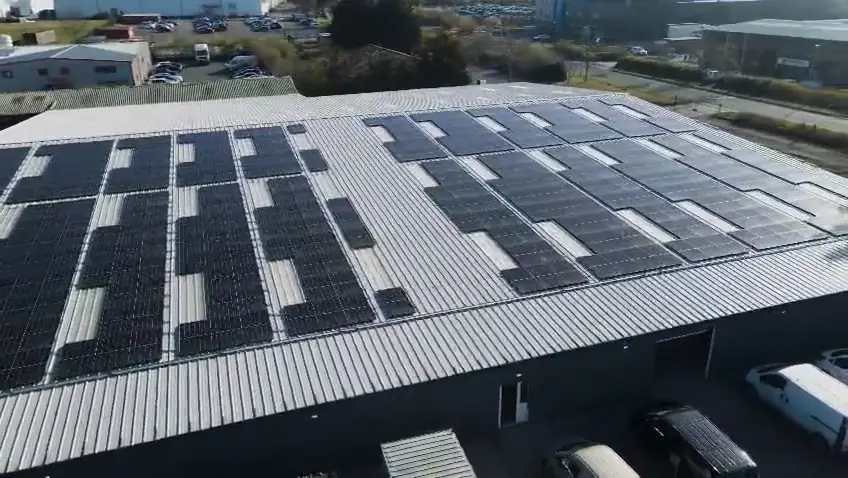
Bolton’s economy is unusually well suited to that. The borough has a big manufacturing base, a cluster of distribution sheds along the M61 and a lot of trade businesses on estates such as Lostock, Wingates and the Horwich Loco Industrial Estate on Chorley New Road. Plant, lighting, chillers and compressors tend to run hardest between 8am and 5pm, which is also when panels peak.
Solar tends to pay well for:
- Manufacturers on one or two day shifts - high daytime load, little waste
- Food producers and cold stores - refrigeration runs all day, all year
- Distribution sheds with big roofs - huge area, though warehouse loads can be lighter than you’d think
- Leisure and retail at Middlebrook - long opening hours, seven days a week
It tends to pay less well for:
- Night-shift-only operations - most generation lands when the site is quiet
- Small units on a short lease - payback may outlast the tenancy
- Roofs due for replacement within ten years - you’d pay to lift and refit the panels
Which Buildings Around Bolton And Horwich Suit Solar Best?
Modern portal-frame sheds are the easiest win, older mills need the most homework, and everything else falls somewhere between. The table gives a quick read on the main building types you’ll find across the area.
| Building type | Where you’ll find it | Roof | Main question | Usual fit |
|---|---|---|---|---|
| Large distribution shed | Logistics North (M61 J4), Arrow Point at Middlebrook | Low-pitch steel, huge area | Grid capacity and export | Very good |
| Mid-size industrial unit | Lostock, Wingates, Horwich Loco estate | Profiled steel or fibre cement | Roof condition and lease | Good |
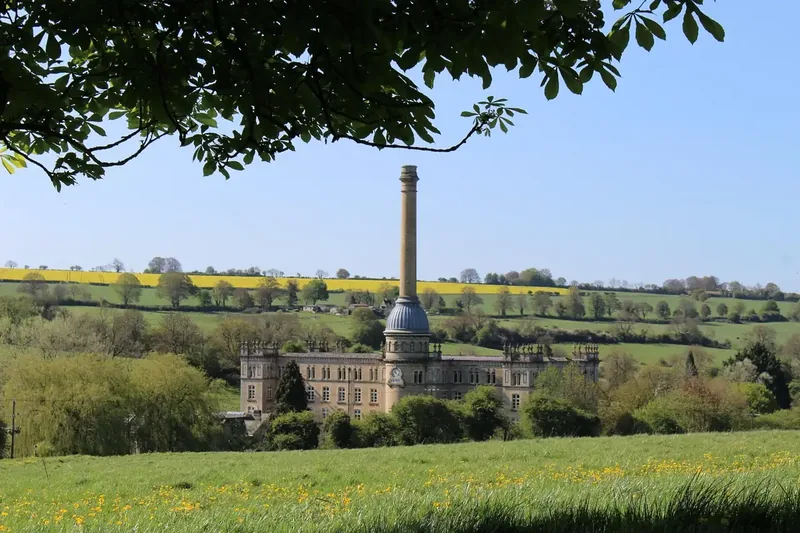
| Converted cotton mill | Daubhill, Halliwell, Deane | Slate, northlight or flat | Structure and listing | Case by case |
| Retail and leisure | Middlebrook, Bolton town centre | Flat membrane or steel | Landlord consent | Good |
| Retained railway works | Rivington Chase, Horwich | Older pitched roofs | Conservation area detail | Case by case |
Keep an eye on the new sheds at the edge of Horwich, too. Arrow Point, on Mansell Way by junction 6, has been marketed as two units of roughly 107,500 and 220,250 sq ft. Roofs that size can carry several hundred kW of panels. If you’re taking on a new lease, ask now whether the frame was designed for solar loads, because many recent sheds were.
If your building is one of Bolton’s old mills, our separate guide to solar on Greater Manchester mill buildings covers northlight roofs, timber loading and multi-tenant metering in detail.
How Much Does Commercial Solar Cost In Bolton?
A typical Bolton system costs between about £800 and £1,250 per kW, so a 50kW array lands around £55,000 to £65,000 and a 100kW array around £80,000 to £110,000. Smaller systems cost more per kW because survey, design, access and connection costs are spread over fewer panels.
The best published benchmark for smaller systems is the government’s solar PV cost data from DESNZ. For 2025/26 it puts the North West average for 10-50kW installations at about £1,248 per kW, and non-domestic installs in that band at about £1,167 per kW. Above 50kW there’s no official series, but UK installer guides cluster around £700 to £1,100 per kWp for larger roofs.
For a 100kW system on a clear steel roof, a rough split of the money looks like this:
- Panels - about 25-35% of the total
- Inverters and protection gear - about 10-15%
- Mounting rails, clamps or ballast - about 10%
- Installation labour - about 20-25%
- Scaffold, edge protection and hoists - about 5-10%
- Design, structural check, G99 application and commissioning - about 10%
Labour is a large slice. Electrician day rates in the North West run at about £240 to £350 according to 2026 trade guides, and a 100kW roof usually keeps a crew of four to six busy for one to two weeks. A mill with awkward access or a roof that needs strengthening adds days, not hours.
What Pushes The Price Up Or Down On A Bolton Job?
The building decides most of the bill. Panels and inverters cost much the same whether they go on a Lostock shed or a Halliwell mill. The work around them is what changes.
Things that push the price up:
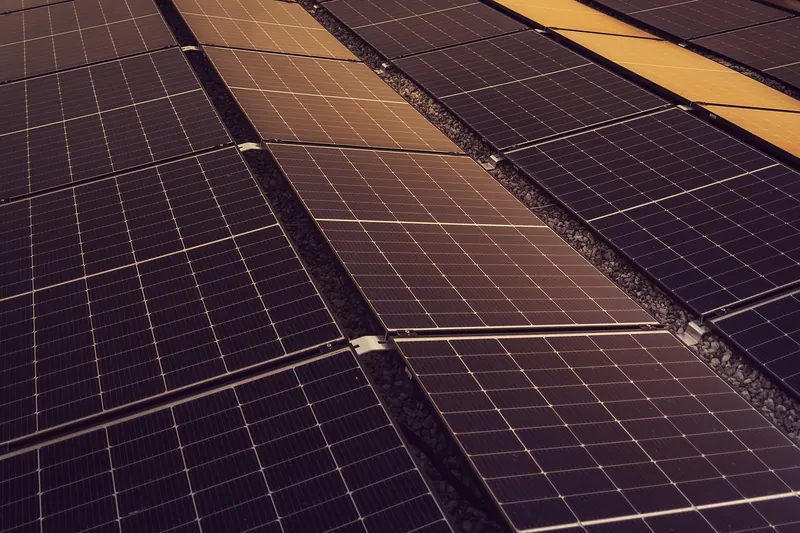
- Asbestos-cement roof sheets - often mean over-cladding or re-roofing before panels go on
- Weak or old structure - a structural report on a commercial building usually starts at around £1,000, and strengthening costs more
- Height and access - a five-storey mill needs far more scaffold or a long-reach platform
- Network reinforcement - if SP Electricity North West needs to upgrade local kit, you may pay a share
- Listed building consent - drawings, heritage statements and conservation-grade fixings
- Wind exposure - extra ballast or mechanical fixings on exposed Horwich roofs
Things that bring it down:
- A big, clear, low-pitch steel roof with sound sheeting
- An existing supply with spare capacity and modern switchgear
- Room to lay panels east-west, which fits more on the roof
- Doing the work alongside a planned re-roof, so you share the access costs
One figure worth knowing before you get quotes: Solar Surveys’ analysis of 575 UK commercial roofs, reported by Insurance Times in August 2026, found that 35% couldn’t safely take panels without remedial work. Most of those could be fixed, but it’s a reminder to get the structure checked before you sign.
Will SP Electricity North West Let You Connect Your Array?
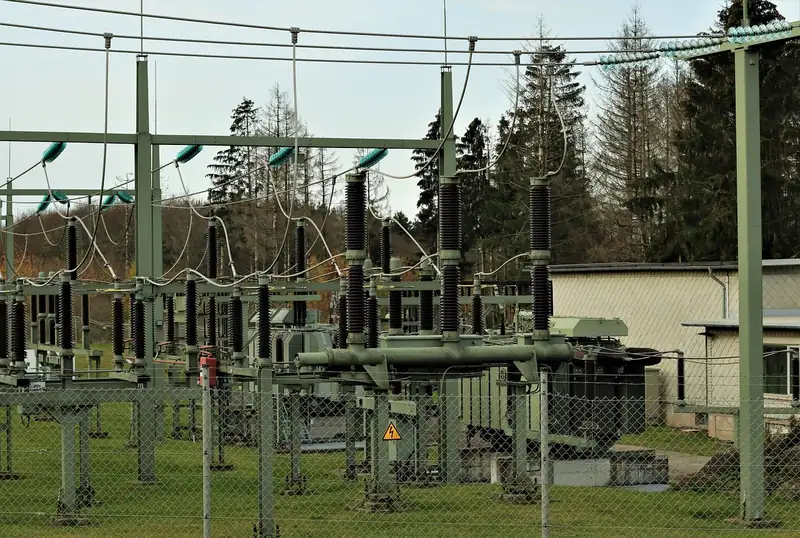
Almost certainly, but the size of your array and how much you want to export decide how long it takes and what it costs. Bolton and Horwich sit on the SP Electricity North West network (it was called Electricity North West until August 2025).
The rules in brief:
- Up to 16A per phase - a simple G98 notification after installation
- Above 16A per phase - a G99 application before you install
- Quote deadline - 45 working days for low-voltage works, 65 for high-voltage
- 1MW and above - also needs transmission-level consent from National Grid
The network’s own page on releasing capacity and enabling connections says no large project over 1MW in the North West is currently held up purely by distribution capacity. The delays that do happen are mostly at transmission level. For a typical Bolton rooftop system of 50 to 500kW, that’s good news.
Where a substation is tight, the usual answer is an export limit rather than a refusal. Your inverters are set so the site never pushes more than an agreed figure back to the grid. For a manufacturer using 80% or more of its own output, that costs very little. For a big Logistics North shed with a light daytime load, it can matter a lot, and a battery may be the better fix. Our full guide to G99 and grid connections in Manchester walks through the timeline step by step.
How Quickly Will The System Pay For Itself?
Usually in five to eight years before tax relief, and faster after it. Here’s a worked example for a typical 100kWp array on a Lostock-style unit.
The assumptions:
- Layout - east-west at 10 degrees, which PVGIS puts at about 750 kWh per kWp in Bolton
- Output - about 75,000 kWh a year
- Installed cost - £90,000
- Used on site - 80%, or 60,000 kWh
- Import price avoided - 25p per kWh (larger users usually pay less than the 28.6p small-business average)
- Export - 15,000 kWh at an assumed 5p
That gives about £15,000 a year in avoided imports and £750 from exports, so roughly £15,750 a year. Simple payback comes out at about five years and eight months.
Tax shortens that. Solar panels go in the special rate pool, so a company can claim the 50% first-year allowance, and the £1 million Annual Investment Allowance often covers the lot. On-site renewable plant is also exempt from business rates in England until March 2035. Speak to your accountant before relying on any of this.
What lengthens it:
- A lower self-consumption rate, for example if you close at weekends
- Falling electricity prices
- Panel output dropping by about 0.5% a year as they age
- Maintenance and an inverter replacement at some point after year ten
For the full method, including a 25-year view, see our guide on working out commercial solar payback.
Do You Need Planning Permission From Bolton Council?
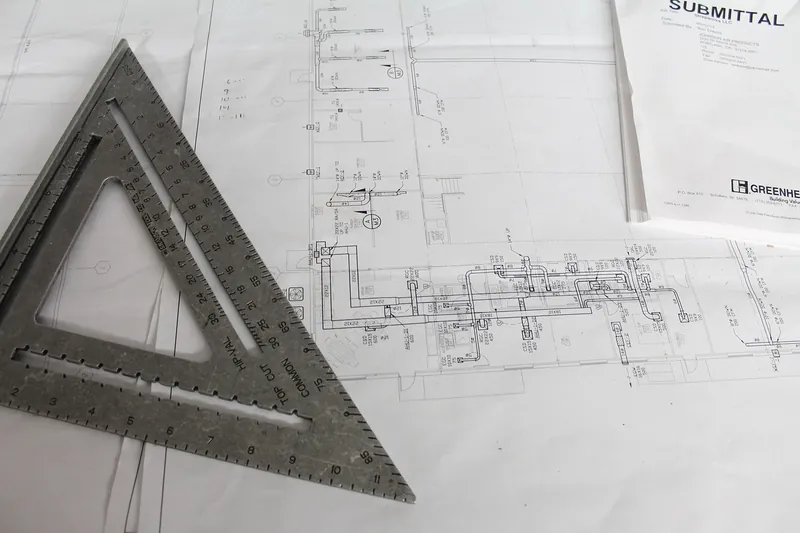
For most industrial roofs, no full application is needed. Rooftop solar on non-domestic buildings is permitted development under Class J of the General Permitted Development Order, and Bolton Council is the planning authority for the whole borough, Horwich included.
The conditions that matter:
- Panels at least 1 metre from the roof edge
- No more than 0.2 metres proud of a pitched roof
- No more than 1 metre above the highest point of a flat roof
- Arrays above 50kW - a prior approval application to Bolton Council on design and glare, decided within 56 days
- Listed buildings and their curtilage - not covered, so you need planning permission and listed building consent
Two local points come up a lot. Swan Lane Mills in Daubhill is Grade II* listed, and a fair number of Bolton’s other mills are listed too, so panels on those go through full consent. The Horwich Locomotive Works Conservation Area is different: a conservation area doesn’t remove Class J rights for roof panels, but wall-mounted panels facing a road are not allowed there without permission. Bolton Council publishes a management plan for the area, which is worth reading before you design anything on the retained works buildings.
Does Horwich’s Weather Under The Moors Change Anything?
Not the yield, but it does change the fixings. PVGIS gives a south-facing roof at 35 degrees about 897 kWh per kWp a year in Horwich and about 902 in central Bolton, which is no real difference.
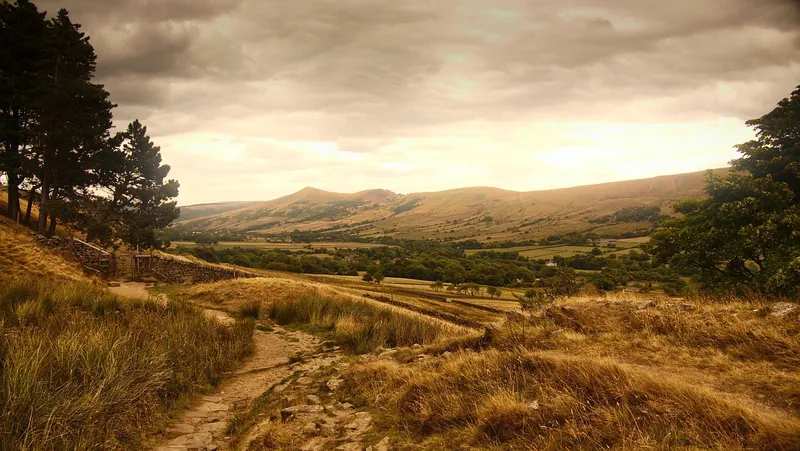
What does differ is exposure. Horwich sits right under Winter Hill and the West Pennine Moors, and roofs on the town’s western edge catch more wind than a sheltered unit in the middle of Bolton. That affects:
- Ballast weight on flat roofs - heavier, which brings the structure back into the conversation
- Edge and corner zones - where wind uplift is strongest, so fewer panels or more fixings go there
- Clamp spacing on steel roofs - tighter in exposed areas
Rain is less of a worry than people expect. Nearby Met Office stations record around 1,200mm a year, and the rain actually keeps panels reasonably clean. The bigger seasonal swing is light: PVGIS puts December output for a Bolton roof at less than a quarter of May’s. So judge a quote on its annual figure and its summer months. Winter is a bonus.
How Do You Choose An Installer For A Bolton Site?
Pick one that starts with your half-hourly meter data and a structural check, not a panel count. A good installer will tell you when solar doesn’t stack up.

What to check before you sign:
- Commercial experience - ask about roofs like yours, whether that’s a mill or a steel shed
- MCS certification for systems of 50kW and below, plus NICEIC or similar for the electrical work
- A structural assessment by an engineer, not a glance from the ladder
- A design built from twelve months of half-hourly data, with self-consumption shown
- Who handles the G99 application and any prior approval with Bolton Council
- Reviews on Google, Trustpilot or similar from business customers
- An insurance-backed workmanship guarantee and the panel and inverter warranties in writing
- An itemised written quote, so you can compare like with like
- At least three quotes - prices for the same roof can differ by a wide margin
Be wary of anyone who quotes a payback figure without asking for your bills, or who says your mill roof is “no problem” before an engineer has seen it.
Our Verdict: Should Your Bolton Business Go Solar?
If you have a sound, modern roof and you use most of your power in daylight, yes - the numbers are hard to argue with, and payback often comes in under seven years. Older mills and asbestos roofs can still work, but the extra costs are real, so get the structure assessed first and treat the panels as the easy part.

If we had to pick the strongest case in the area, it would be a mid-size manufacturer on the Lostock or Wingates estates with a steel roof under ten years old. The weakest would be a short lease on a building that needs a new roof. Most businesses fall somewhere between, and a year of meter data settles it quickly.
Get a free commercial solar survey for your Bolton or Horwich site
Frequently asked questions
How much does a 100kW commercial solar system cost in Bolton?
On a clear portal-frame roof, expect roughly £80,000 to £110,000 including installation, which works out at about £800 to £1,100 per kW. A mill roof, an asbestos-cement roof or a job that needs network reinforcement can push it higher. Systems of 50kW and below cost more per kW: government data for 2025/26 puts the North West average for 10-50kW installations at about £1,248 per kW.
Does a solar array in Horwich produce less than one in central Bolton?
Hardly at all. The European Commission's PVGIS model gives about 900 kWh per kWp a year for a south-facing roof at 35 degrees in both places. What changes in Horwich is the wind. Sites under the West Pennine Moors need fixings or ballast worked out from a proper wind-loading calculation, which can add a little to the cost.
Do I need planning permission for solar on a Bolton industrial unit?
Usually not a full application. Roof-mounted solar on non-domestic buildings is permitted development under Class J, as long as panels stay at least 1 metre from the roof edge and stand no more than 0.2 metres proud on a pitched roof or 1 metre on a flat one. Arrays above 50kW need a prior approval application to Bolton Council, which has 56 days to decide. Listed buildings, such as the Grade II* Swan Lane Mills, need planning permission and listed building consent.
Can SP Electricity North West refuse to connect my solar panels?
It rarely refuses outright, but it can limit how much you export, ask you to pay for reinforcement or give a later connection date. Anything above 16A per phase needs a G99 application, and the network has 45 working days to quote for low-voltage works. Many Bolton businesses use most of their output on site, so an export limit often costs them very little.
Thinking about solar or a battery for your site?
Send us a year of half-hourly data and we'll tell you, in writing, what size of system makes sense and roughly what it would save. Manchester, Salford, Trafford, Bolton, Wigan and in between.