
18 October 2026
Commercial Solar Grid Connection In Manchester: G99, Export Limits And Timescales
How the grid connection works for commercial solar in Manchester: G98 or G99, export limitation, SP Electricity North West's timescales and the full timeline.
Most business owners assume the slow part of a solar project is the roof work. In Greater Manchester it rarely is. A 150kW array on a Trafford Park warehouse can be fitted in a matter of weeks, but it can’t be switched on until SP Electricity North West, the company most people still know as Electricity North West, has agreed to it joining the network. For anything above about 11kW on a three-phase supply, that means a G99 application. The guaranteed standards give the network operator up to 45 working days to respond where only low-voltage works are involved, and 65 working days where the high-voltage network is touched. Add the chance of an export cap, a witness test or reinforcement, and the commercial solar grid connection becomes the part of the job that decides your switch-on date. This guide is for owners and facilities managers who’d rather know that before signing anything.
Why the commercial solar grid connection sets the pace in Manchester
Panels, rails and inverters can be ordered and fitted to a schedule you control. The network can’t. Before any generator runs in parallel with the public network, the operator has to be satisfied that it won’t push voltage out of limits, overload a transformer or keep feeding a fault when the line is meant to be dead.
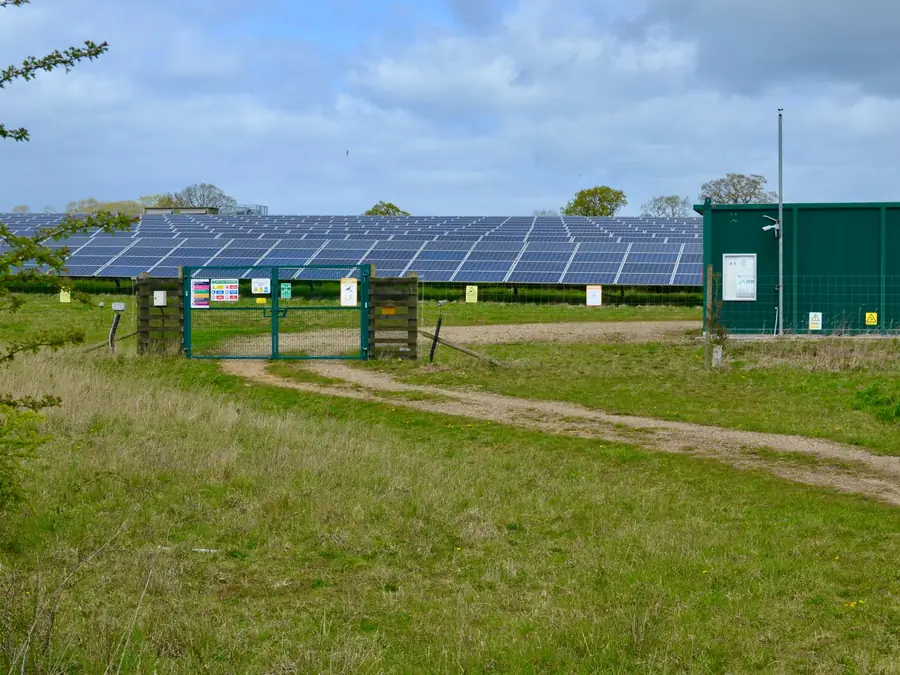
That check happens on the operator’s timetable, and it can’t be hurried by the installer or the client. What can be controlled is when it starts and how clean the paperwork is. A complete application lodged in week three gets an answer far sooner than a half-finished one lodged in week ten.
So on every commercial solar panel installation in Manchester we treat the grid connection as the first job rather than the last. Roof surveys, structural checks and procurement then run alongside it, rather than in front of it.
G98 or G99: which route your system falls under
There are two Engineering Recommendations published by the Energy Networks Association, and which one applies depends on size. G98 covers fully type-tested generators up to and including 16 amps per phase. On a three-phase supply that’s roughly 11kW, on single phase about 3.7kW. Under G98 the installer fits the system and then notifies the network operator within 28 days of commissioning.
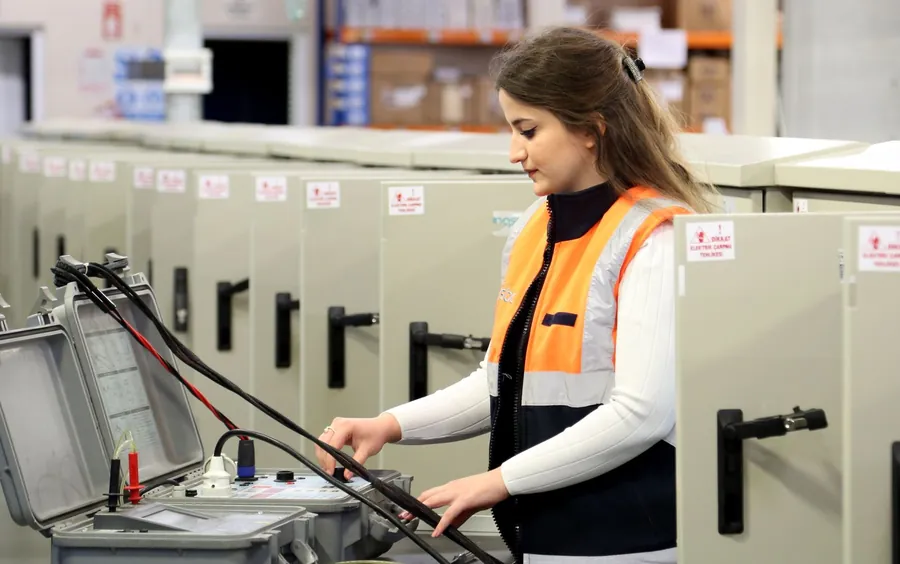
Almost every business array is larger than that, so it falls under G99. G99 works the other way round. You apply first and connect later, and a system the operator hasn’t accepted doesn’t get connected. MCS sets out the same split in its guidance on notifying network operators.
G99 then sorts systems into types. Type A runs from 0.8kW up to just under 1MW, which covers nearly all factory, warehouse and office roofs. Type B starts at 1MW and runs to just under 10MW, the territory of large ground mounts and solar farms. The higher the type, the more the operator asks for and the more testing it attends.
Batteries count too. SP Electricity North West treats storage as generation, so a solar-plus-battery project goes into a single G99 application with both described.
What goes into a G99 application to SP Electricity North West
The core document is the standard application form. It asks for the site address and supply details, the generating equipment by make and model, the inverter ratings, and a single-line diagram showing how everything ties into your existing switchboard.
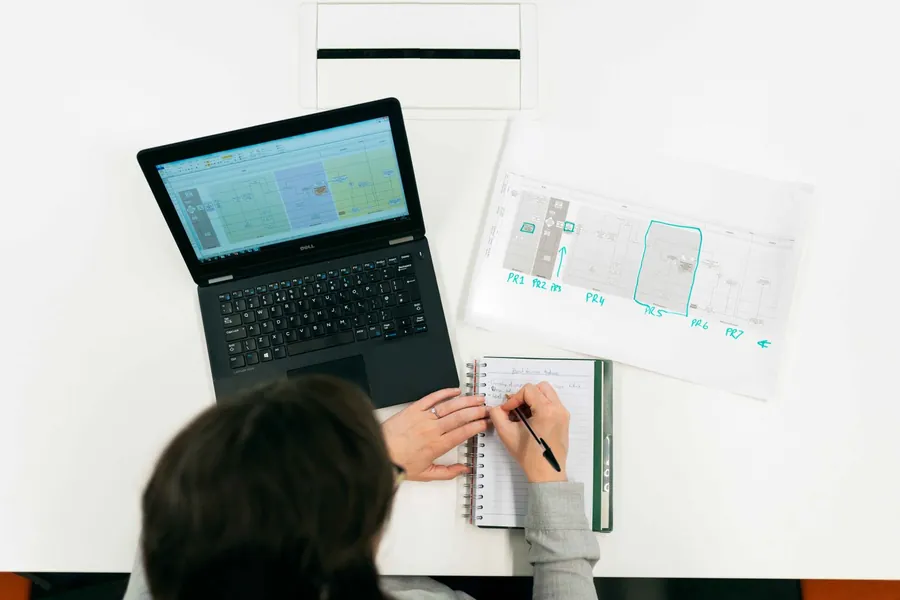
Two details trip people up more than anything else. The first is the manufacturer’s reference number from the ENA Type Test Register. SP Electricity North West says it can’t check compliance without it, and a wrong or missing number sends the form back. The second is size. If the generating module is rated at 150kW or more, Part 4 of the form has to be filled in at the first submission, not later.
Above 50kW, power quality starts to be looked at site by site, including harmonics under the ENA’s G5 standard. Your installer should flag that early, because it can mean extra studies.
If you’d like a feel for the network before committing to design costs, the operator runs a pre-application team (PACE) for exactly that conversation. The full form set and guidance sit on SP Electricity North West’s G99 application page.
Export limitation: when the local network can’t take everything
Sometimes the answer comes back as yes, but not at full export. The substation feeding your estate may already be carrying other generators, or the cable to your site may be too light for a big reverse flow on a sunny Sunday when the factory is shut.
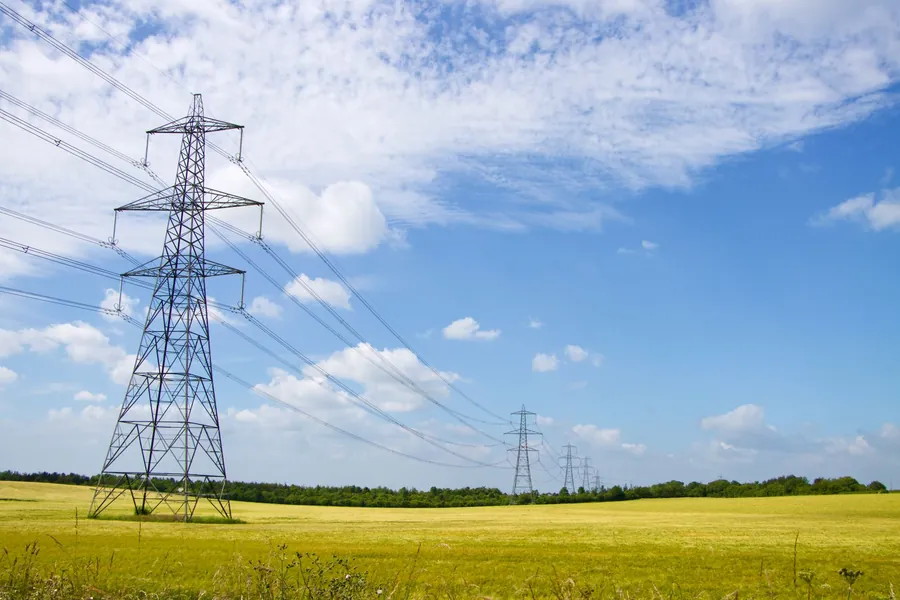
Rather than refusing the array, the operator can offer a connection with an export cap. That’s done through a customer limitation scheme built to the ENA’s G100 standard. Clamps on your incoming supply measure what’s leaving the site, and the inverters are throttled back if the figure gets close to the agreed limit. If a signal or cable fails, the scheme should fall back to the limit rather than run open. The settings are fixed at commissioning and can’t be quietly changed afterwards.
For a site that uses most of its daytime output, an export cap barely registers. For one that’s empty at weekends, it means units thrown away unless something soaks them up. A battery can catch some of that, and we run the numbers in our guide to whether a battery pays for a Manchester business.
Typical DNO timescales for commercial solar in Manchester
Network operators work to guaranteed standards set by Ofgem. If they miss one, they owe the customer a payment. For generation, the quote should arrive within 45 working days where the work is at low voltage, and 65 working days where high-voltage works are involved. In calendar terms, that’s roughly nine and thirteen weeks.
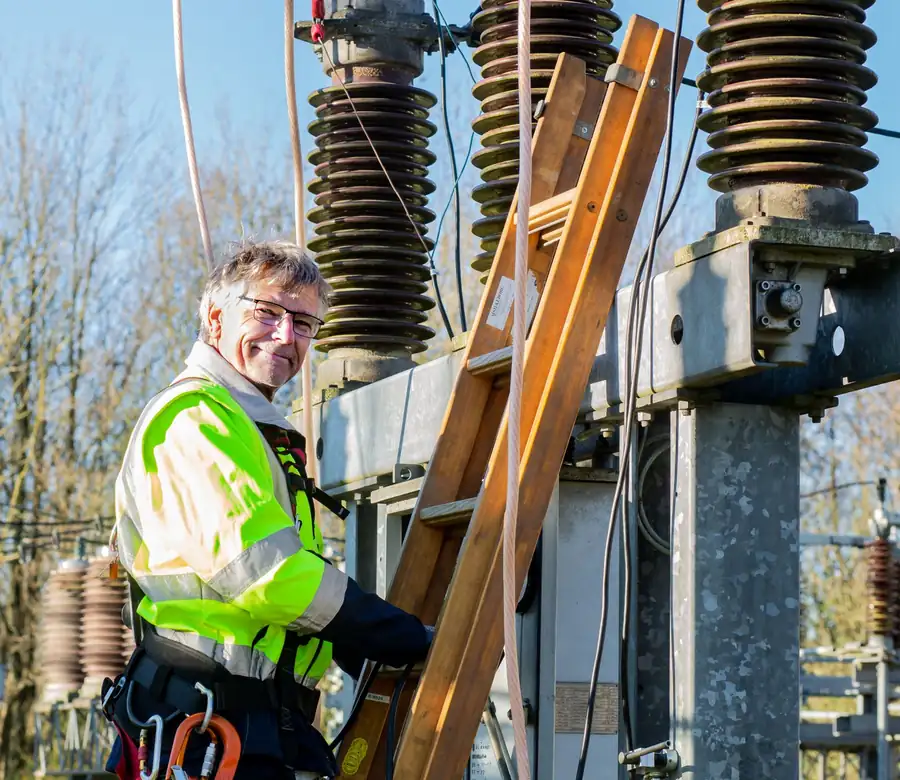
The clock only starts once the operator has everything it needs. An application missing the type test reference or the site drawing doesn’t start the 45 days, it starts a back-and-forth by email. Once an offer arrives, read its acceptance period and any charges carefully. Nothing moves on the network side until it’s accepted and paid.
Then there’s the witness test, where the operator’s engineer attends commissioning to watch the protection trip correctly. SP Electricity North West says it doesn’t witness Type A systems between 50kW and 1MW that use type-tested inverters up to 200kW. The exceptions matter, though. A G99 protection relay, a G100 export scheme, a reverse power relay or a failsafe for non-type-tested kit all bring a visit. Type B and above are witnessed every time. A witness slot is another date to book, and it has to fit the operator’s diary as well as yours.
Survey to switch-on: how the timeline really runs
This is roughly how we sequence a rooftop project under 1MW in Greater Manchester. The stages overlap on purpose.

Weeks one to three: survey and design
The roof survey, a look at your switchroom and half-hourly meter data come first. From that we size the array, pick inverters and draw the single-line diagram. This is enough to lodge the G99 application.
The waiting period: the network operator’s answer
Up to nine weeks for low-voltage work, up to thirteen if high voltage is involved. We use this time for structural sign-off, landlord consent if you lease, insurer conversations and, where needed, prior approval from the council. Ordering kit happens once the offer looks viable.
Installation and commissioning
On most commercial roofs, the physical install is the short part. Commissioning follows, with the G99 installation and commissioning paperwork and G100 documents if export is capped. If the system needs a witness test, switch-on waits for that visit.
Put together, you’re usually looking at a few months from first survey to generating, and the network stage is the piece most likely to stretch it. A project where the application goes in during week three will almost always beat one where it goes in after the scaffolding is up.
Bigger sites: reinforcement, high voltage and the 5MW threshold
Larger projects meet a different set of hurdles. If the local substation or cables can’t take the new generation even with a cap, the offer may include reinforcement works, and those carry their own cost and lead time. A site that takes its supply at high voltage, with its own transformer on the premises, is in the 65-day quote band from day one.
There’s been one helpful change at the top end. Distribution projects in England and Wales used to need a Transmission Impact Assessment from 1MW, which brought the national system operator into the loop and added months. From 12 May 2025 that threshold rose to 5MW of export capacity, as NESO’s announcement on projects under 5MW explains. It stays at 1MW only where there are fault level problems on the transmission side, which applies at 39 of the 225 grid supply points in England and Wales.
For most business roofs this won’t come up. For a ground-mounted array on spare land or a big distribution centre, it’s worth knowing that a 3MW scheme no longer waits on a national review in most areas.
How to keep the grid connection off your critical path
A few things are in your hands, and they save real time. Pull your half-hourly data and recent bills before the first survey. Find out what your agreed supply capacity is and where the main incomer sits. If you lease, ask the landlord early, because their consent and the G99 application can then run side by side.
Decide early whether a battery is likely, even if it comes later. Bolting storage on later usually means going back to the network operator with a change, so we’d normally apply for the whole scheme up front and build it in stages if the budget needs that.
One last thing. If an installer gives you a firm switch-on date before the G99 offer has landed, ask how they got it. Honestly, they’re guessing.
If you’d like us to look at your site, your supply and what the network around you is likely to say, book a free grid connection check for your Manchester business.
Frequently asked questions
Does my commercial solar system need G99 approval in Manchester?
Almost certainly. G98 only covers fully type-tested kit up to 16A per phase, which is about 11kW on a three-phase supply. Anything bigger needs a G99 application to SP Electricity North West, and the network operator has to accept it before the array is connected.
How long does SP Electricity North West take to answer a G99 application?
Under the guaranteed standards Ofgem sets for network operators, a connection quote should arrive within 45 working days where only low-voltage works are involved and 65 working days where high-voltage works are needed. That's roughly nine and thirteen weeks. The clock starts once the application is complete, so missing information pushes it back.
What is export limitation and will it slow my project down?
Export limitation caps how much power your site can send back to the grid, using a control scheme built to ENA standard G100. It often lets a larger array connect where the local network is tight. It can add a step at the end, because SP Electricity North West says a G100 scheme is one of the things that brings a witness test for Type A systems it would otherwise not attend.
How long does commercial solar take from survey to switch-on in Greater Manchester?
For a typical rooftop array under 1MW, plan on a few months rather than a few weeks. Survey, design and the G99 application come first, then up to nine or thirteen weeks for the network operator's answer, then installation, commissioning and any witness test. The connection decision usually sets the pace, so the sooner the application goes in, the sooner you switch on.
Thinking about solar or a battery for your site?
Send us a year of half-hourly data and we'll tell you, in writing, what size of system makes sense and roughly what it would save. Manchester, Salford, Trafford, Bolton, Wigan and in between.