
14 October 2026
Buy, Lease Or PPA? Paying For Commercial Solar In Manchester
Cash, hire purchase, a lease or a power purchase agreement: how each way of paying for commercial solar in Manchester changes payback, tax and your accounts.
When a finance director weighs up commercial solar in Manchester, the sticking point is rarely the panels. It’s how to pay for them. A 50kW array on a warehouse in Trafford Park or a unit in Wigan costs something in the region of £60,000 if bought outright, using the government’s 2025/26 figure of roughly £1,170 to £1,270 per kW for systems of that size. Some businesses write that cheque without blinking. Others would rather keep the cash for stock, staff or a new line, and plenty rent their buildings on leases shorter than a solar array’s 25-year life. There are three realistic routes: buy it, finance or lease it, or let a third party own it under a power purchase agreement (PPA). Each gives a very different payback profile, a different tax position and a different line in your accounts. Here’s how they compare.
Three ways to fund commercial solar in Manchester
Strip away the sales language and there are only three ownership models.
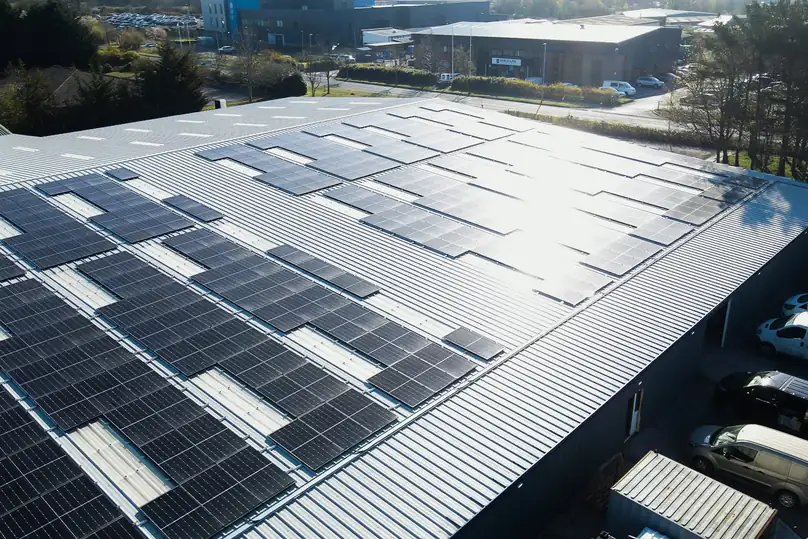
You buy the system, with cash or borrowed money, and keep every unit it makes. Or a funder buys it and you rent it, through hire purchase or a lease, and you still keep every unit. Or a PPA provider buys, installs and owns it, and sells you the electricity it generates at an agreed rate per kWh. The kit on the roof is identical in all three. What changes is who carries the cost, who claims the tax relief and who gets the savings.
The survey, design and grid application are the same whichever route you pick, which is why we scope the system first and talk money second. Our page on commercial solar panels for Manchester businesses covers that early design work.
To keep the comparisons honest, we’ll use one worked example throughout. A 50kW array costing about £60,000. Roughly 840 kWh per kW a year from a typical Manchester roof, so around 42,000 kWh. The site uses 85% of that during the working day, about 35,700 kWh, and pays 26p per kWh for grid electricity, towards the lower end of what DESNZ recorded for business users in 2025. All of these are assumptions. Your half-hourly data will move every one of them.
Buying outright: the biggest saving, the biggest cheque
Paying cash is the simplest structure and, over the life of the system, usually the most profitable. Every kWh you use on site is a kWh you no longer buy, and nobody else takes a cut.

In our example, 35,700 kWh at 26p is worth about £9,300 a year. Against £60,000, that’s a simple payback of around six and a half years before tax. Tax relief shortens it. Solar is special rate plant, so a company can claim a 50% first-year allowance: £30,000 relieved in year one, worth £7,500 at the 25% main rate of corporation tax, with the remainder written down at 6% a year. If your Annual Investment Allowance isn’t already spoken for, the whole £60,000 can come off profits in year one. On either route, payback for a profitable company tends to land somewhere between five and six years.
The catch is opportunity cost. £60,000 tied up in a roof is £60,000 not earning elsewhere. If your business typically makes more than 15% or so on the capital it deploys, the solar return has to be weighed against that, not against money sitting in a deposit account.
Hire purchase and asset finance: spreading the cost
Hire purchase is the usual middle route. A funder pays the installer, you pay the funder monthly over an agreed term, and at the end the system is yours.

The tax treatment is the part people miss. GOV.UK’s guidance on what you can claim capital allowances on excludes things you lease, but makes an exception for hire purchase contracts and long funding leases. So under HP you claim the allowances as though you’d paid cash, and the interest is a separate deductible cost. You get the tax benefit of ownership without the cash outlay.
What you don’t always get is a positive cash flow. Using an illustrative 7% interest rate on our £60,000 system, annual repayments come to roughly £14,600 over five years, £11,100 over seven, or £8,500 over ten. With savings of around £9,300 a year, a five-year term costs you about £5,300 a year net until it’s paid off. A ten-year term roughly pays for itself from month one, then hands you the full saving once it ends. Neither is wrong. It depends whether you’d rather clear the debt quickly or never see a net cost on the monthly management accounts.
Rates vary with your credit profile and the funder, so treat those repayment figures as a shape, not a quote.
Operating leases and what FRS 102 now does to them
An operating lease is closer to renting. The funder owns the panels for the whole term, you pay a fixed rental, and the rentals are a normal business expense. You can’t claim capital allowances, because you don’t own the asset. At the end you may be able to extend, buy the system at market value or hand it back.
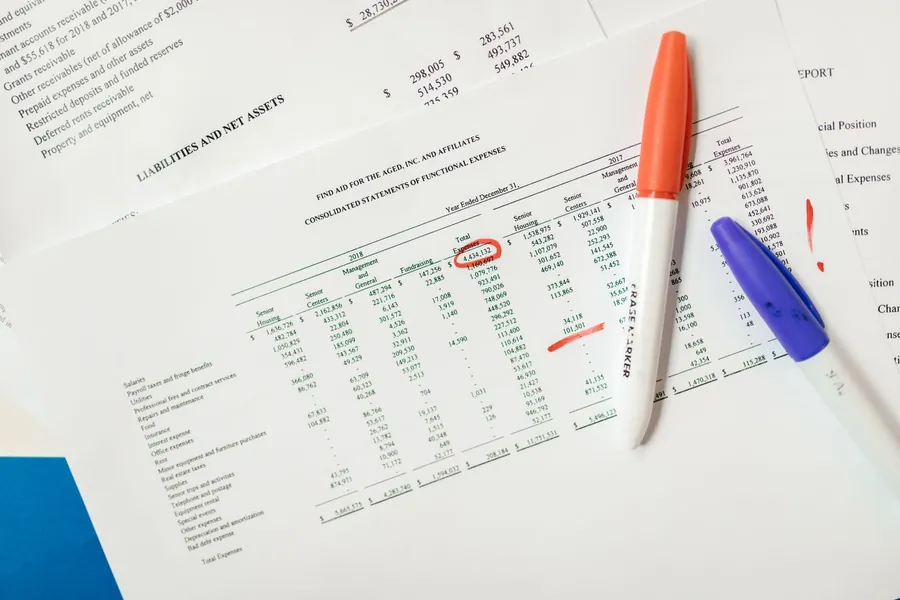
For years the attraction was that an operating lease stayed off the balance sheet. That has largely ended for companies reporting under FRS 102. The periodic review amendments apply to accounting periods beginning on or after 1 January 2026, and ACCA’s summary of the FRS 102 changes explains that most leases now go on the balance sheet as a right-of-use asset with a matching liability. The rental charge is replaced by depreciation plus interest.
That matters if your bank lending has covenants tied to EBITDA or net debt, because both figures move. Short-term and low-value leases are exempt, and micro-entities on FRS 105 are untouched. A rooftop solar system is unlikely to count as low-value, so speak to your accountant before choosing a lease purely for how it used to look in the accounts.
Power purchase agreements: someone else’s panels on your roof
Under an on-site PPA, a provider pays for the system, installs it, insures it and maintains it. You buy the electricity it produces at a fixed or indexed rate per kWh, set below what you pay your supplier. There’s no capital outlay and no asset to manage.
The saving starts on day one, but it’s smaller. Suppose the PPA price is 8p below your grid rate. Our 35,700 kWh would then save about £2,900 a year, compared with £9,300 if you owned the system. The provider keeps the rest because it took the capital risk. Contracts often run 15 to 25 years, and you’ll want to read the indexation clause closely. A rate that rises with RPI every year can close the gap to grid prices faster than you’d like.
PPA providers are choosy. They’re lending against your business’s ability to keep paying for two decades, so expect credit checks, and many prefer larger roofs than our 50kW example. Export is a contract point too. Under the Smart Export Guarantee rules set by Ofgem, installations up to 5MW can be paid for exported electricity, but in a PPA the system owner usually takes that income, not you.
Comparing payback across the three routes
Put the example side by side and the trade-offs get clearer. The figures are rounded and assume nothing changes in grid prices, which never happens.

| Upfront cost | Year 1 net cash | Approx. payback | Saving after payback | |
|---|---|---|---|---|
| Cash purchase | £60,000 | -£50,700 before tax relief | 5-7 years | About £9,300 a year |
| Hire purchase, 10 years | £0 | About +£800 | Cash-neutral from the start | About £9,300 a year from year 11 |
| Operating lease | £0 | Depends on rental | n/a (you don’t own it) | Depends on end-of-term terms |
| PPA | £0 | About +£2,900 | Immediate | About £2,900 a year, for the contract term |
Two things shift every row. Higher grid prices improve all four, but help ownership most, because an owner keeps 100% of each avoided unit. And how much of the output you actually use on site matters more than almost anything else. If your site shuts at weekends and half the summer output spills to the grid, ownership looks weaker and a PPA (where you pay only for what you use) looks relatively better. Our guide to commercial solar panel costs in Manchester goes deeper into yields and unit prices if you want to test the inputs.
A note on batteries
Adding storage changes the maths for every route, mainly by lifting the share of output you use on site. Funders and PPA providers will often include a battery in the same agreement, but it’s priced separately and needs its own case.
What decides the right route for your business
In practice, four questions settle most decisions.
Do you own the building, or how long is left on your lease? A tenant in a multi-let estate in Salford with six years to run can’t sensibly pay cash for a system that lasts 25 years unless the landlord agrees terms. Some landlords will, but get it in writing first.
Does the company pay corporation tax? Capital allowances are only worth something against profits. A loss-making year makes cash or HP less attractive and a PPA or lease more so.
What else is competing for the capital? If an extra machine or a bigger warehouse would earn more than solar, finance the solar and spend the cash there.
How long will the roof last? Fitting panels to a roof with ten years left forces a costly removal and refit later, under any ownership model. Sort the roof first.
If you’d like the three routes modelled on your own half-hourly data, tariff and tax position rather than our example, we’ll build the comparison as part of the survey. Talk to us about funding commercial solar in Manchester
Frequently asked questions
Is it better to buy commercial solar outright or use a PPA?
If your business has the cash, pays corporation tax and expects to occupy the building for ten years or more, buying usually gives the biggest lifetime saving, with simple payback often somewhere around five to seven years on a well-used array. A PPA suits businesses that want no capital outlay, don't own the roof long-term or would rather put cash into the core operation. You save less per unit, but you save from the first day.
Can I claim capital allowances on solar panels bought on hire purchase?
Yes. GOV.UK says you can't claim plant and machinery allowances on things you lease, but hire purchase contracts and long funding leases are the exception. Under hire purchase you claim as though you owned the panels, and the interest is a separate business cost. On an ordinary operating lease, the funder owns the kit and you deduct the rentals instead.
Will a solar lease appear on my balance sheet?
For many companies it now will. Changes to FRS 102 for accounting periods beginning on or after 1 January 2026 bring most leases onto the balance sheet as a right-of-use asset and a matching lease liability. Short-term and low-value leases are exempt, and micro-entities reporting under FRS 105 are not affected. Check with your accountant before signing, especially if you have banking covenants.
What happens to a solar PPA if we move out of our Manchester premises?
That depends on the contract. Most PPAs run for far longer than a typical industrial tenancy, so they normally include terms for transferring the agreement to the next occupier, buying the system out, or removing it. If you rent, your landlord usually has to agree to the PPA in the first place, so the end-of-lease position should be settled before anything goes on the roof.
Thinking about solar or a battery for your site?
Send us a year of half-hourly data and we'll tell you, in writing, what size of system makes sense and roughly what it would save. Manchester, Salford, Trafford, Bolton, Wigan and in between.