
7 November 2026
Commercial Solar On A Leased Building In Greater Manchester
Tenant or landlord? How commercial solar works on a leased building in Greater Manchester: consent, roof leases, PPAs, lease end, insurance and MEES.
Plenty of the businesses that ask us about solar don’t own the building they work in. They rent a unit on an estate in Trafford Park or Stockport, or a floor in an office block in Salford, and the roof belongs to someone else. Commercial solar on a leased building in Greater Manchester still works, but the hard part moves. The engineering is the same as on an owned roof. The difference is in the lease: who consents, who owns the panels, who keeps the power, and what happens when the tenancy ends. Landlords have a stake too. Rented commercial buildings have needed an EPC of at least E since April 2023, and penalties for letting one that falls short can reach £150,000. This guide is for tenants, landlords and facilities managers working through it. It isn’t legal advice. Every lease is different, and a property solicitor should read yours before anything is signed.
Who controls the roof on a leased commercial building?
Start by finding out what you actually rent. On a multi-let estate the landlord usually keeps the roof and structure and recovers the cost of looking after them through the service charge. On a single-let unit under a full repairing lease, the roof may well sit inside your demise, but the alterations clause will still have something to say about drilling through it.
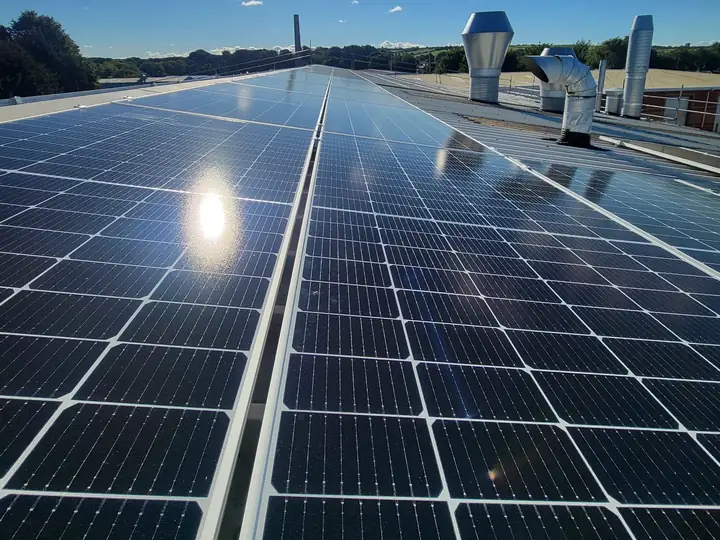
Either way, written consent is almost always needed. Where the lease says improvements need the landlord’s approval, section 19 of the Landlord and Tenant Act 1927 treats that consent as one that can’t be unreasonably withheld. The same section lets the landlord ask for a reasonable sum for any damage or drop in value, its legal costs, and in some cases a promise to put the roof back as it was. A lease that forbids alterations outright is another matter. So is one where the roof was never yours.
That consent normally arrives as a licence for alterations. It’s a separate deed, and it should say who is doing the work, which drawings were approved, how access works, who insures what and what happens at lease end. When we design commercial solar panels for a Greater Manchester business on a rented site, we can give the landlord’s surveyor a layout, a structural report and a method statement early, which tends to make the licence quicker to agree.
Who owns the panels, and who owns the electricity?
These are two separate questions, and a lot of confusion comes from treating them as one. Whoever paid for the kit, or whoever the documents say owns it, owns the panels. The electricity belongs to whoever the contracts give it to, and on a rented building that isn’t always the business underneath.
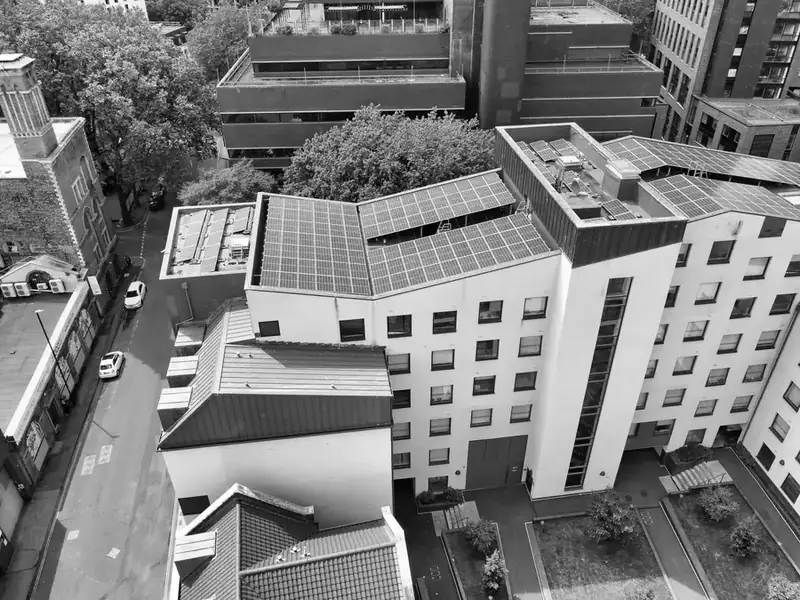
There are three ways it usually goes:
- The tenant pays. You buy or finance the system, it’s fixed under your licence, and you use every unit it makes. Panels bolted to a roof can count as part of the building under the general law on fixtures, so the licence should state plainly that they stay your property.
- The landlord pays. It owns the array and sells the output to the occupier, normally per kWh at less than the grid tariff. Selling electricity has its own rules, which we covered when we looked at what happens to surplus solar power on a Manchester site.
- A funder pays. A third party installs and owns the kit under a power purchase agreement, signs a roof lease with the landlord and sells power to the tenant.
Each puts the cost and the risk somewhere different. Tenants who want the asset, and the tax allowances that come with owning it, lean towards the first. Tenants who just want cheaper daytime power, with nothing on the balance sheet, usually end up with the third.
Roof leases and rooftop PPAs: what the funder will want
A rooftop PPA asks nothing upfront of the occupier, which is why it’s popular with tenants. The funder still has to protect a large investment on a roof it doesn’t own, so it’ll want a proper legal interest, usually a roof lease from the landlord.

Expect a roof lease to run for about as long as the system is expected to keep producing, often 20 years or more. Any lease granted for more than seven years has to be registered at HM Land Registry. Funders also commonly ask for:
- Rights of access for maintenance, cable routes down through the building and space for inverters
- A ban on the landlord shading the array or building above it without agreement
- Rights to relocate the system temporarily if the roof needs repairing, and who pays for that
- Consent from the landlord’s mortgage lender, if the building is charged
Roof leases are usually contracted out of the security of tenure provisions in the Landlord and Tenant Act 1954, so the funder can’t hang on after the term ends. Your solicitor will confirm how that’s handled. The PPA itself sits between the funder and the occupier, setting the price per unit, the indexation, the term, and what happens if you leave early. We’ve compared PPAs with buying outright, hire purchase and leasing in our guide to paying for commercial solar in Manchester.
Lease length against payback
Most tenant projects stand or fall on this. A solar array lasts decades. Commercial tenancies in Greater Manchester are often far shorter, and many have break clauses partway through.
Take a made-up but realistic case. A tenant buys a system that, on its own half-hourly data, should pay for itself in about six years. With twelve years left on the lease and no break, that’s six years of nearly free daytime power before the question of what happens at the end even comes up. With five years left, or a break at year three, buying outright only makes sense if the licence lets the tenant either take the system away or be paid for leaving it behind.
So read the lease dates before you read the quotes. A rough guide:
| Time left on the lease | Options worth looking at |
|---|---|
| Ten years or more, no early break | Buying or financing usually works, with clear end-of-lease terms in the licence |
| Five to ten years | Buying with an agreed buy-back from the landlord, or a PPA that can transfer |
| Under five years, or a break soon | A PPA, a landlord-owned system, or renewing the lease first |
Renewal talks are often the best moment to raise solar. A landlord granting a fresh ten-year term may be glad to fold a licence for alterations, or its own installation, into the deal.
The end of the lease: dilapidations, removal and make-good
At some point the tenancy will end, and the panels will still be there. If the paperwork didn’t settle what happens next, both sides end up arguing over dilapidations, which is slow and costly.
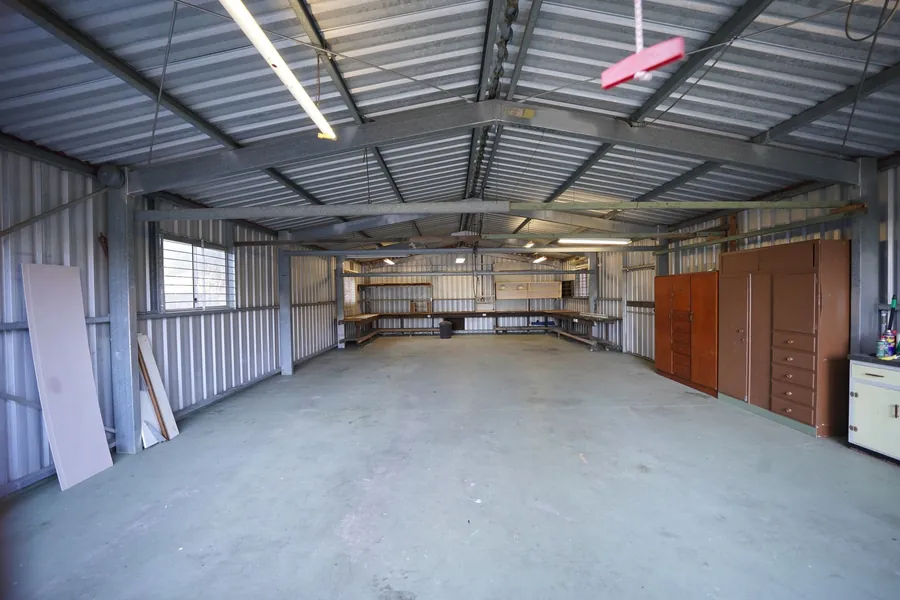
Most leases make the tenant hand the building back in repair, and many require alterations to be removed if the landlord asks. Taking an array off isn’t trivial. It means safe roof access, lifting the panels and rails, sealing or replacing sheets where the fixings went through, and stripping cables and inverters out of the building. On a large shed that’s a real cost, and the roof can end up worse than if the system had stayed put.
Better to agree the end at the start. The licence or PPA can say any of these:
- The tenant removes everything and makes good, to a defined standard.
- The landlord keeps the system, either for a price set by a formula (often linked to the years left on its expected life) or for nothing.
- An incoming tenant can take over the system, or the PPA, on agreed terms.
Whichever you choose, keep the commissioning pack, maintenance records and warranties somewhere the next party can find them. A system with a clean service history is far easier to hand over.
Insurance and the building policy
On most rented commercial buildings the landlord insures the structure and passes the premium on to tenants through the rent or the service charge. Adding solar changes the risk, so the insurer needs to know before work starts, not after.
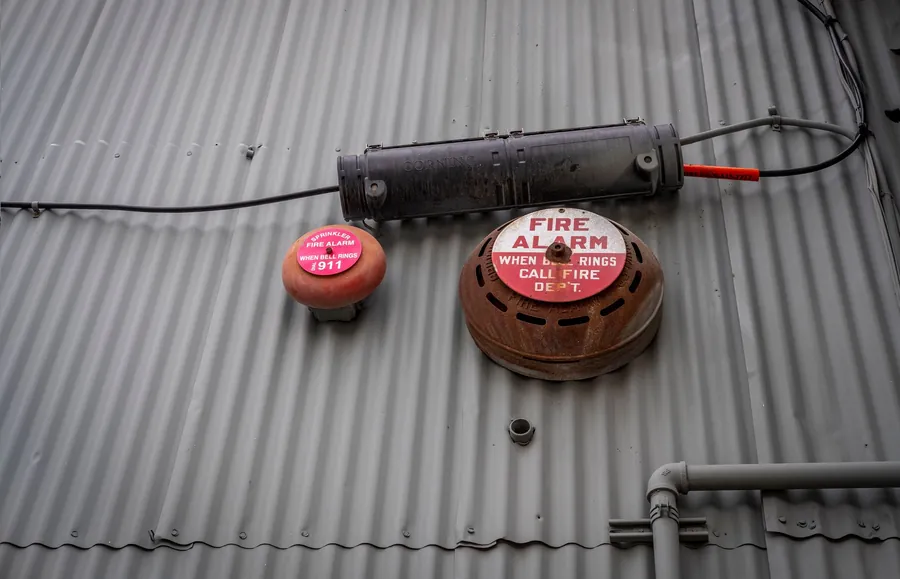
Get these settled in writing:
- Who insures the array itself. A landlord’s buildings policy may not cover kit the tenant or a funder owns. The owner usually needs its own cover for damage, theft and breakdown.
- What the insurer wants from the installation. Many commercial insurers look to RC62, the fire-safety code for rooftop PV, and some add conditions on DC isolation, cable routes or inspection intervals.
- Who’s liable for the roof. If a leak appears under a fixing in year four, whose policy pays, and is the installer’s workmanship warranty still in force?
Check, too, whether the roof cladding is still under a manufacturer’s warranty. Some won’t survive fixings that weren’t approved, and the managing agent will usually know.
EPCs, MEES and green lease clauses
This is the part landlords tend to care about most, and it’s why more of them say yes to solar than they used to. Under the minimum energy efficiency standard, privately rented non-domestic buildings in England and Wales have needed an EPC of at least E since 1 April 2023, even where nobody new has moved in. Enforcement sits with the local weights and measures authority, which in Greater Manchester means trading standards at each of the ten councils. Letting a building in breach for three months or more can bring a penalty of 20% of its rateable value, at least £10,000 and capped at £150,000.
The bar is likely to rise for bigger buildings. In June 2026 the government published an interim response on commercial MEES. It proposes that rented buildings over 1,000 square metres reach EPC B from 2031 where it’s cost-effective, while smaller ones stay at E. The interim EPC C step once planned for 2027 has been dropped, and nothing changes until secondary legislation goes through Parliament. Because on-site generation counts in a non-domestic EPC calculation, a well-sized array can be one of the measures that gets a building over the line. One more thing worth knowing: in England, eligible rooftop solar and batteries are exempt from business rates until 31 March 2035, so the occupier’s rates bill shouldn’t rise.
Green lease clauses are how a lot of landlords now write this into new tenancies. The Better Buildings Partnership’s renewable energy clause comes in light, medium and dark green versions. The dark green one puts on-site generation first, ahead of a PPA or a green tariff, lets the landlord install generating or storage equipment, and suggests the parties clear obstacles such as roof and airspace rights. If you’re negotiating a new lease, it’s a sensible starting point for both sides. Ask your solicitor which version fits.
Frequently asked questions
Can our landlord refuse permission for solar panels on the roof?
It depends on how your lease is worded. Where a lease says improvements need the landlord's consent, section 19(2) of the Landlord and Tenant Act 1927 reads in a proviso that consent can't be unreasonably withheld. The landlord can still ask for a reasonable sum to cover any damage or loss in value, plus its costs, and in some cases an undertaking that you'll reinstate the roof. If the lease bans alterations outright, or the roof isn't part of what you rent, that proviso may not help you. A property solicitor should read your lease before you ask.
What happens to rooftop solar when the tenant moves out?
Whatever the paperwork says, which is why it needs agreeing before installation. The usual choices are that the tenant strips the system out and makes good the roof, the landlord keeps it for an agreed price or for nothing, or an incoming tenant takes it over. If a funder owns the system under a PPA, the contract will set out whether it transfers, gets bought out or comes off the roof.
Will solar panels help a landlord meet the minimum EPC rules?
They can. On-site generation is counted when a non-domestic EPC is calculated, so an array may lift a building's rating. Since 1 April 2023, privately rented commercial buildings in England and Wales have needed an EPC of at least E unless a valid exemption is registered. A June 2026 interim government response proposes EPC B from 2031 for rented buildings over 1,000 square metres, where cost-effective, but that isn't law yet. An EPC assessor can model the effect on your building before you commit.
Does rooftop solar push up business rates for the tenant?
Not in England at present. Eligible plant and machinery used for on-site renewable generation and storage, which includes rooftop solar and batteries, is exempt from business rates from 1 April 2022 until 31 March 2035. Whoever pays the rates on the unit, usually the occupier, shouldn't see the bill rise because panels have gone on the roof.
Thinking about solar or a battery for your site?
Send us a year of half-hourly data and we'll tell you, in writing, what size of system makes sense and roughly what it would save. Manchester, Salford, Trafford, Bolton, Wigan and in between.