
Commercial Battery Storage In Leigh

Could stored solar cover your Leigh site's evening peak?

Commercial battery storage for multi-let mills, A580 business units and farm sites in and around Leigh

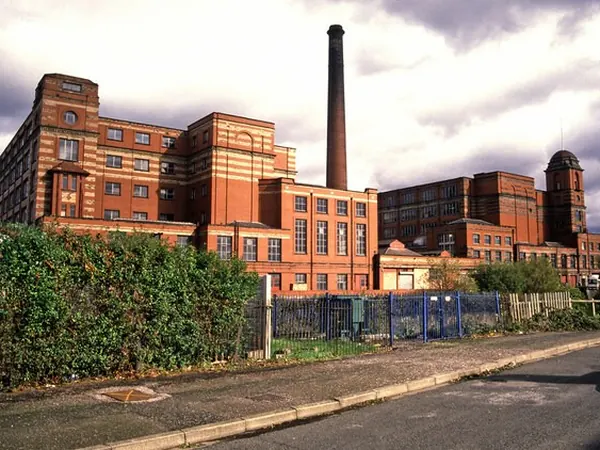
Battery storage in Leigh is worth a look when your site uses a lot of power after dark, or pays dearly for it on weekday evenings, when SP Electricity North West's red-band charges apply. The mills are an interesting case. A building like Leigh Spinners has dozens of tenants keeping different hours, and a battery behind the landlord's meter can smooth the shared load and stretch the value of a rooftop array. Newer units on Leigh Business Park are simpler: one occupier, a clear demand curve and, usually, room in the yard for an enclosure. Farms out towards Astley and Pennington may want storage next to a ground array to cover early-morning and evening loads. Whichever it is, we size the system from half-hourly data rather than a rule of thumb.

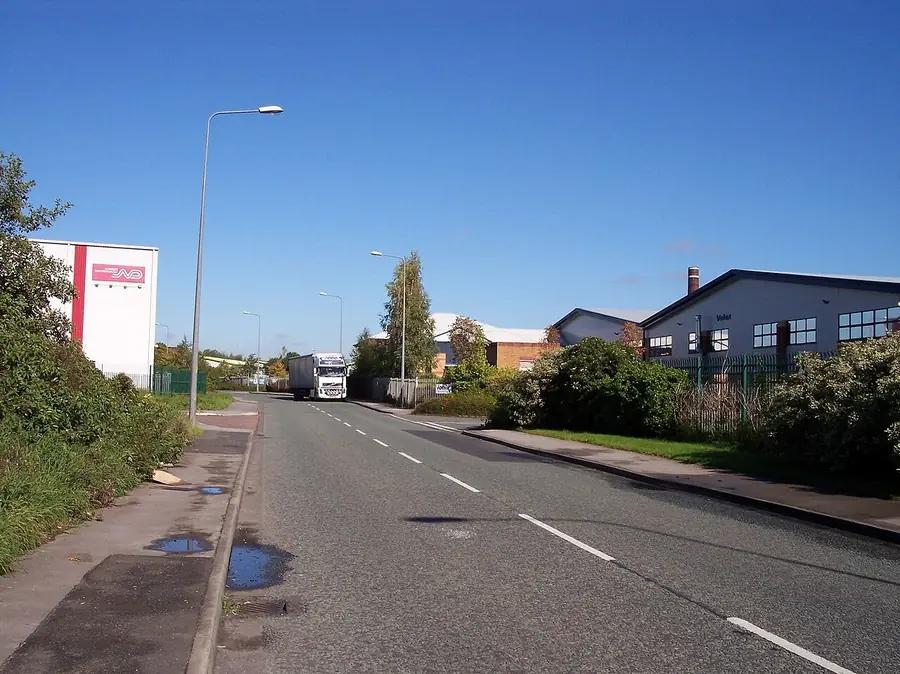
Warehouses and business units along Greenfold Way, Leigh Business Park
Photo: Raymond Knapman, Wikimedia Commons, CC BY-SA 2.0

Battery Storage Survey In Leigh

We reply within one working day to book a site visit.

No charge for the survey or the proposal. Your details are only used to reply to you - see the privacy policy.

Commercial Battery Storage · Leigh

What a battery can do for a Leigh business

The case for storage depends on when you use power and who pays for it. Here's where it tends to stack up.

01

Fewer units bought at the dearest time

Weekday evenings between four and seven carry the steepest distribution charges on the local network. Running the building from stored power through that window cuts the most expensive slice of the bill, and for many sites it's the most dependable saving a battery offers.

02

More value from a mill roof

Old mills often stay busy into the evening with a mix of tenants, while the roof only generates in daylight. Stored power lets the building use more of its own solar after dark instead of sending it out for a modest export payment.

03

Taming the landlord's supply

In a multi-let building the landlord's supply carries common loads that spike when lifts, heating and tenants' equipment coincide. A single half-hour over the agreed import capacity brings excess charges across that entire billing period, and a battery is a practical way to trim those spikes.

04

Headroom without a bigger supply

Asking for more capacity can mean reinforcement costs and long waits. A battery may let a growing tenant or a new EV charger fit inside the existing supply, provided the controls are designed so the limits hold every time.

05

Farm loads that ignore the sun

Cooling, ventilation and workshop loads on a farm often peak early morning and evening, well away from midday. A battery beside a ground array moves the middle of the day's generation into the hours the farm actually needs it.

06

Rates relief if paired with renewables

Storage used with onsite renewable generation shares the business rates exemption that lasts until March 2035. A battery that only trades power from the grid may not qualify, which is one reason we normally design storage to work alongside solar.

£0

Site survey and a review of your half-hourly data

kWh

Systems sized from your own meter readings

G99

Grid application drawn up and submitted for you

M17

Based on Trafford Wharf Road, Trafford Park

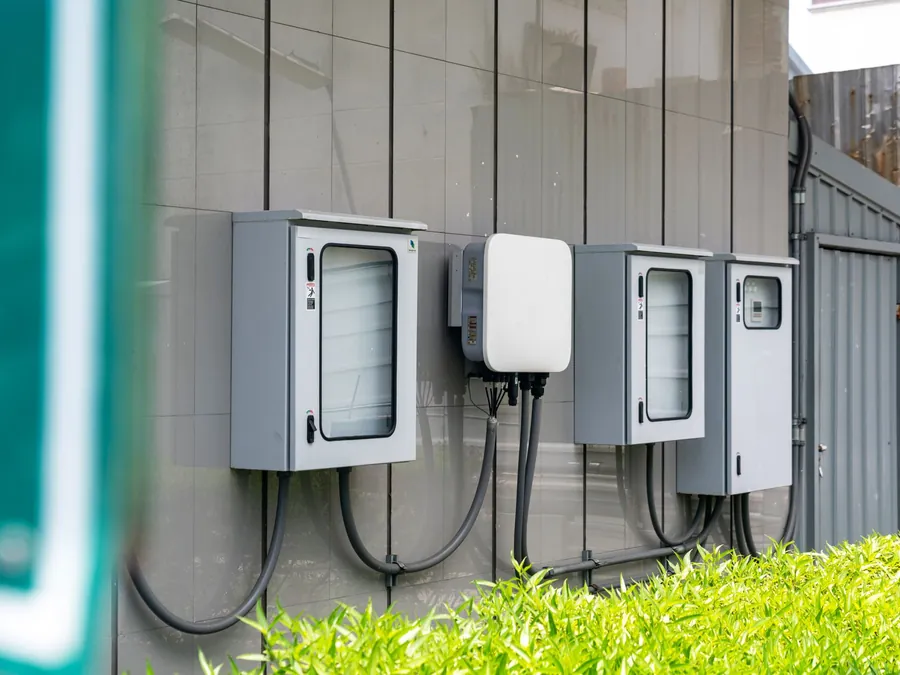
Wall-mounted inverter and battery control units with isolators fixed to the outside wall of a commercial building
Leigh

Leigh's buildings and what they mean for storage

Where a battery can physically go is often the deciding factor in Leigh. The listed mills along the Bridgewater Canal at Bedford have thick walls, old floors and tenants in most of the bays, so an indoor battery room needs fire separation and a careful cable route. An outdoor enclosure in a mill yard may need planning advice of its own, particularly inside one of the town's five conservation areas.

The modern units off Greenfold Way and around Parsonage are more straightforward. Steel-framed buildings with yards and car parks leave space for a cabinet near the intake and away from escape routes. On these sites the design question shifts to sizing: how big a battery the solar surplus and the evening load can actually justify.

For the rooftop and ground-mounted side of a project, see our page on commercial solar panels in Leigh, including how planning works for listed mills.

"Most of the storage enquiries we get from Leigh mill buildings turn out to be about the landlord's shared supply, not any one tenant's bill."
Based on battery storage enquiries handled by Commercial Solar Manchester around Leigh
The install

How we install battery storage in Leigh

  1. 1

    Gather the data

    Half-hourly import data, any generation records and, in a mill, the sub-metering picture across tenants. Before sizing anything we need to know exactly which supply the battery will sit behind.

  2. 2

    Model and recommend

    A year of your data goes through our battery model to show the evening saving, the peak trimming and the extra solar used on site. You see the recommended size next to a smaller and a larger option, with the trade-offs spelled out.

  3. 3

    Siting, fire safety and the DNO

    We agree the location with you, your insurer and, where needed, the fire service. Because storage is treated as generation for connection purposes, it's declared on the G99 form, with any export limit written into the agreement.

  4. 4

    Prepare the space

    Indoors that can mean fire-rated walls, ventilation and a cleared route. Outdoors it means a base, an enclosure and protection from vehicles. In a working mill we time the noisy jobs around the tenants.

  5. 5

    Install modules and power electronics

    Battery modules, inverter, protection and metering are fitted and connected to the board. The design follows the IET Code of Practice for energy storage and the battery chapter that arrived in BS 7671 in 2026.

  6. 6

    Commission and set the schedule

    Protection and limits are tested, then charging and discharge are programmed around your real hours. A mill with tenants working into the evening gets a different schedule from a unit that locks up at five.

  7. 7

    Handover and periodic review

    You get the paperwork, the fire information and remote monitoring. After the first few months we look back at the data and adjust the schedule if the way the building is used has changed.

Guarantees and warranties

Who answers for your Leigh installation, and for how long

There are two layers of cover on a commercial installation, and it pays to know which is which. The first is the installer's workmanship guarantee. It covers the way the system was put in: the fixings through your roof, the cable runs, the terminations, the protective devices and the commissioning settings. Its length and terms are written into the quotation, so you can read them before you sign rather than discover them afterwards.

The second layer belongs to the manufacturers. Panels normally carry a product warranty and a separate performance warranty, which promises a minimum output after a set number of years. Inverters and batteries have their own terms, often with cycle or throughput limits on storage. These vary by product, so every proposal names the exact models and attaches their warranty documents.

A guarantee is only as good as the install underneath it. That's why the structural check comes before the design is fixed, why every string is tested and recorded to BS 7671, and why the grid connection is commissioned to the settings SP Electricity North West has approved. If something we fitted fails because of how it was fitted, we come back and put it right.

In writing

Workmanship guarantee, set out in your quote

Per model

Manufacturer product and performance warranties

Test results, drawings, warranty certificates and the grid connection agreement are handed over in one pack on the last day.

Comparing storage options for a Leigh site

The table compares solar alone, solar with a battery and a battery on its own. For a multi-let mill, read it with the shared landlord supply in mind. For a single-occupier unit the comparison is simpler.

Comparison point Solar onlySolar + batteryBattery on its own (tariff shifting)
Solar used on site Only what the load takes at the timeHigher: surplus stored for laterNo solar involved
Red-band (16:00-19:00) costs Little effect, almost none in winterCut with stored solar or overnight chargeCut with overnight green-band charge
kVA capacity charges No reliable effectPeaks can be shavedPeaks can be shaved
DNO export limit Surplus above the cap is lostSurplus stored instead of clippedCap applies to battery discharge too
Backup in a power cut None as standardOnly if designed for itOnly if designed for it
Planning and permissions G99; roof usually permitted developmentG99; roof PD plus a siting and fire reviewG99; no PD class, so take planning advice

What drives battery storage costs in Leigh

There's no dependable published price per kWh for commercial batteries, so we quote from the survey. These factors make the biggest difference.

Indoors in a mill or outdoors in a yard

An internal battery room in a listed Bedford mill can need fire separation, ventilation and cable routes through old masonry. A cabinet on hardstanding behind a unit on Greenfold Way is usually quicker and cheaper to install.

Capacity matched to the evening load

A battery bigger than the evening demand it serves rarely pays back. The right capacity comes out of your data, and getting that right matters more than shaving the price per module.

Metering and tenant arrangements

Where the battery serves a landlord supply feeding several tenants, sub-metering and recharging arrangements add to the scope. A single-occupier site avoids most of that work.

Changes to the grid connection

If the DNO wants new protection settings or a change to the connection agreement, that work forms part of the project. We include it in the quote so the total is visible from the start.

Read the full solar and battery cost guide

Battery storage in Leigh: common questions

Can we put a battery inside a listed mill in Leigh?

Possibly. It depends on the space, fire separation, ventilation and whether the work affects the listed fabric. Listed building consent may be needed, and Wigan Council's conservation officers will have a view. We assess all of this at the survey.

Is battery storage worth it without solar?

For sites with heavy evening use or capacity problems, a battery can charge from the grid in the cheaper green band and still save money. But the business rates exemption covers storage used with renewables, and export payments on grid-charged power aren't guaranteed, so solar plus storage is usually the stronger case.

Does the ground over Leigh's old pit workings affect an outdoor battery base?

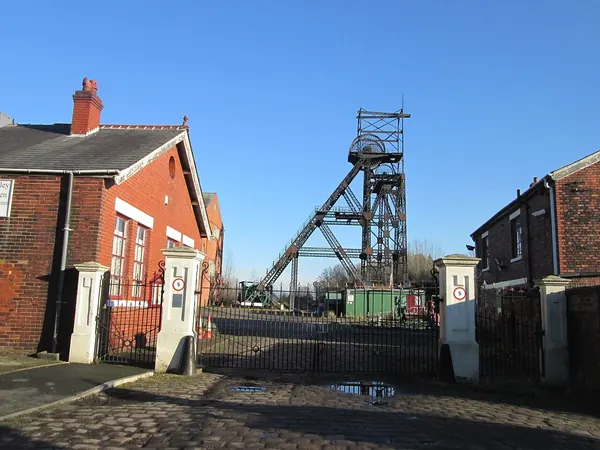
It's worth checking. Mining subsidence created lakes such as Pennington Flash, and a heavy outdoor enclosure needs a base that won't move. Where there's doubt we get a geotechnical view before designing the foundation. On an established yard the existing hardstanding is often fine.

How is a commercial battery kept safe?

Through proper siting, the right protective devices, a battery management system that watches temperature and cell condition, and a design that follows the IET Code of Practice. National planning guidance asks applicants for systems of 1MWh or more to involve the fire service before applying, and we give you and your insurer full fire information.

How long does installation take?

The physical installation is usually the shortest part. Most of the elapsed time goes on design, any consents and the DNO's response, and for LV generation the guaranteed standard for issuing a quotation is 45 working days. We give you a programme once the survey is done.

Away from the plant room

What to do in Leigh

Leigh on the map

Reviews

What Leigh businesses say about us

We're a new name, so you won't find a wall of reviews here yet. We'd rather show you nothing than make some up.

For a project this size, reviews were never the best evidence anyway. Ask any installer you're considering for a reference site you can visit, a year or more of generation data from a system they fitted, and the grid connection paperwork from a past job. If they can't produce those, keep looking.

Find out whether storage suits your Leigh site

Send us your half-hourly data and a short note on how the building is used. We'll come back with a sizing view and a straight opinion on whether a battery is worth the money.