
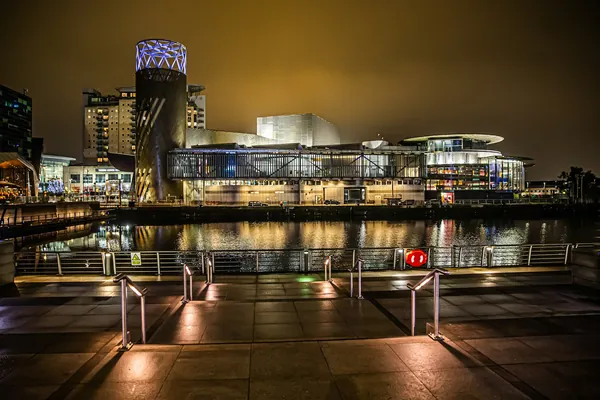
The Lowry
The steel-clad arts centre at the tip of Pier 8 on Salford Quays, opened in 2000, stages theatre and comedy and has galleries showing work by L.S. Lowry.
Learn more about The Lowry on Google MapsSalford's biggest arrays sit on buildings that rarely stop. Process plant and logistics sheds around Northbank, Irlam and Cadishead run nights as well as days, so every kWh the roof fails to produce is bought back from the grid at full price, often without anybody noticing for months. That makes solar panel maintenance in Salford mostly a matter of timing and evidence. Timing, because testing a string means isolating it, and on a site with a permit-to-work system that has to be booked like any other shutdown. Evidence, because the only reliable way to spot an underperforming array is to compare what it produced with what it should have produced for that month. We do both. A visit covers the yield check, insulation and string tests, thermal imaging and the inverters, and you get the results in a form your engineering manager can file.
We reply within one working day to book a site visit.
On a Salford shed running nights, I can't wait for a quiet weekend to notice a fault. I'd rather know what the array should produce each month, worked out properly for that roof, and set an alert when it falls short. That expected figure is the yardstick for every maintenance decision.
I'm Thomas. I've designed and installed solar for more than two decades, and the engineering maths has always been my strongest suit. My team keeps to your permit rules, arrives when booked and works to a high standard on someone else's plant.
- Thomas
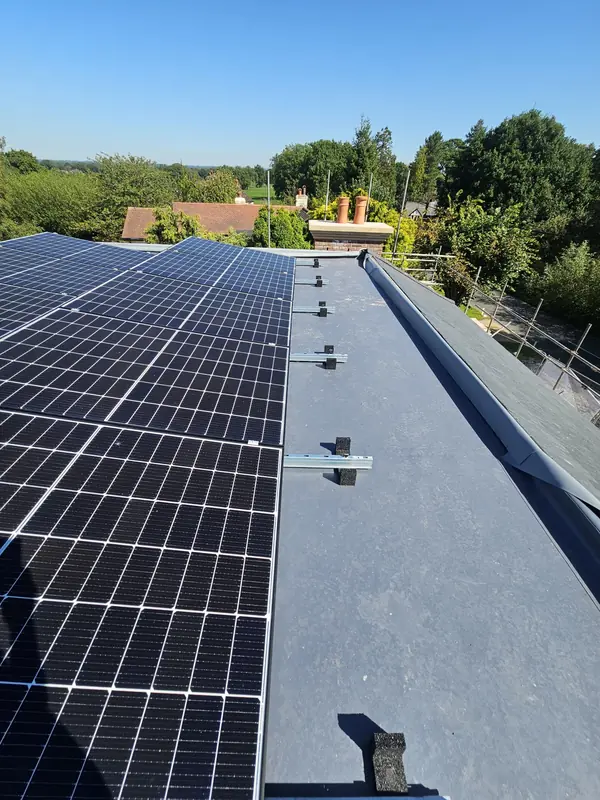
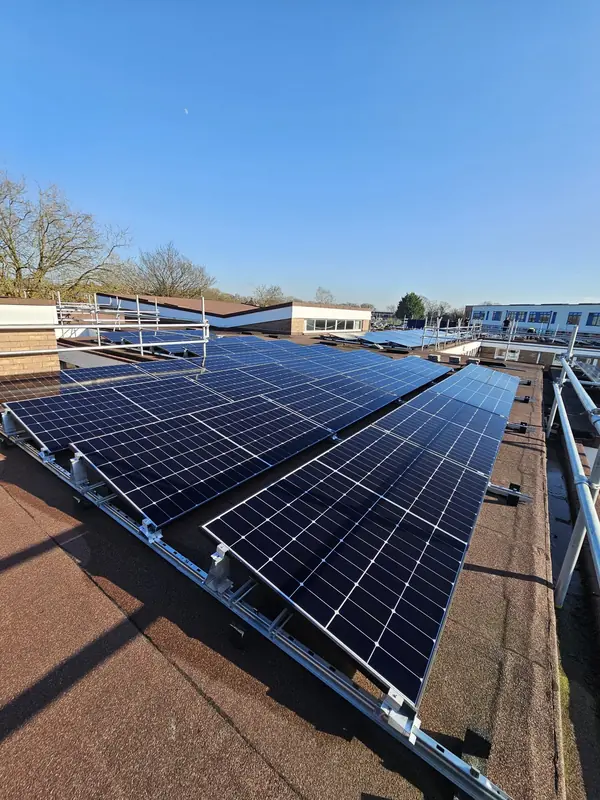
A Salford process site judges its plant by uptime. Solar deserves the same treatment, even though it has no moving parts.
01
When a shed runs around the clock, there is no idle afternoon to soak up a lost string; the shortfall comes straight off your savings. Spotting a trip within a week instead of a quarter is the main thing a maintenance plan buys.
02
Many Northbank and Port Salford sites run formal isolation procedures. We plan around yours, issue method statements and risk assessments in advance and isolate only the section we're working on.
03
Arrays close to the Ship Canal, the yards and the M60 pick up a film that low-pitch roofs don't shed on their own. We wash where the output data says it pays, using purified water and soft brushes rather than a pressure washer.
04
On Quays and MediaCityUK buildings the array often shares the roof with chillers and air handling plant. We coordinate with the building manager so access goes through the right route and nobody's meeting gets a ladder through it.
05
Recording the same tests each year shows whether output is falling at the slow rate panels normally age or faster, which points to soiling, shading or a fault that needs chasing.
06
Where an array went onto an older building around Barton or Cadishead, we check the fixings and the roof sheets around them, because a leak under a panel is far harder to find later than on open roof.
£0
Site survey and a review of your half-hourly data
kWh
Systems sized from your own meter readings
G99
Grid application drawn up and submitted for you
M17
Based on Trafford Wharf Road, Trafford Park
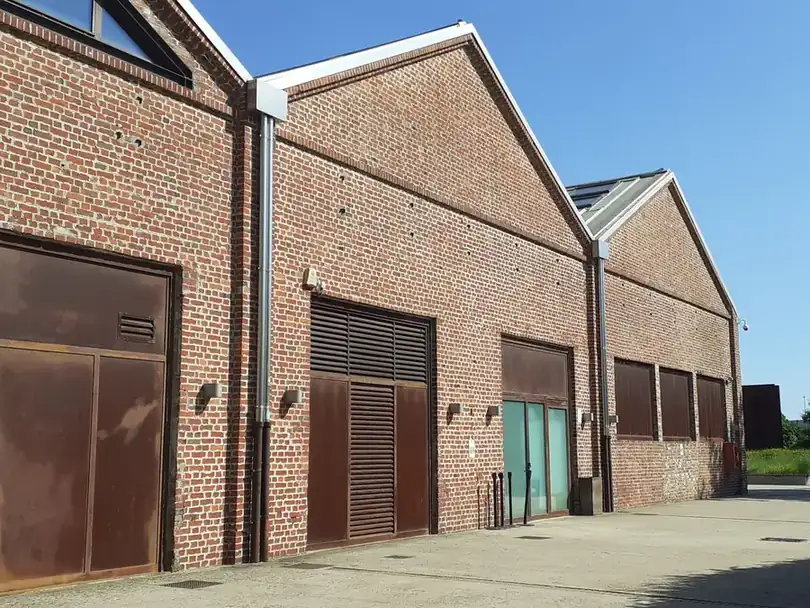
Most of our Salford maintenance time goes west of the M60. The sheds off Cadishead Way and Gilchrist Road are big and fairly recent, with long panel runs and inverters often fixed to an outside wall where yard traffic passes close by. Damaged conduit and knocked isolators are worth looking for here as much as anything on the roof.
Closer in, Barton Hall Industrial Estate in Eccles and the units at Weaste are smaller and older. Some arrays there were added in the Feed-in Tariff years and have had little attention since. If your site sits inside the Barton-upon-Irwell conservation area near the swing aqueduct, any change to the array's appearance beyond a straight repair is worth raising with the council first.
Night shifts change the case for storage as well; our page on commercial battery storage in Salford looks at when a battery pays on a site that never goes quiet.
"On Salford's 24-hour sites, the first sign of a solar fault is usually a bill that came in higher than budget, rarely an alarm."
We agree a date with your engineering or facilities team, along with permit and induction requirements, and confirm which parts of the array can be isolated without affecting anything else on site.
Inverter logs, monitoring exports or meter readings tell us whether output has dropped and roughly when. That narrows the search before anyone climbs onto the roof.
After your site induction, we check the roof construction, protect roof lights and fragile areas, and put up edge protection where the roof doesn't already have it.
With the array generating, we take thermal images of panels and connections, then walk every row looking at glass, frames, clamps and cable management.
Strings are isolated in turn for open-circuit voltage, current and insulation resistance tests, following BS EN 62446-1. Inverters, AC protection and earthing are checked as well.
Where soiling is costing output, the panels are washed. Small faults like a burnt connector or a loose clamp are fixed there and then; bigger work is priced separately for your sign-off.
We hand back the permit, re-energise everything and send a written report with test results and photos. The next visit is booked into the same planning system as the rest of your plant.
There are two layers of cover on a commercial installation, and it pays to know which is which. The first is the installer's workmanship guarantee. It covers the way the system was put in: the fixings through your roof, the cable runs, the terminations, the protective devices and the commissioning settings. Its length and terms are written into the quotation, so you can read them before you sign rather than discover them afterwards.
The second layer belongs to the manufacturers. Panels normally carry a product warranty and a separate performance warranty, which promises a minimum output after a set number of years. Inverters and batteries have their own terms, often with cycle or throughput limits on storage. These vary by product, so every proposal names the exact models and attaches their warranty documents.
A guarantee is only as good as the install underneath it. That's why the structural check comes before the design is fixed, why every string is tested and recorded to BS 7671, and why the grid connection is commissioned to the settings SP Electricity North West has approved. If something we fitted fails because of how it was fitted, we come back and put it right.
In writing
Workmanship guarantee, set out in your quote
Per model
Manufacturer product and performance warranties
Test results, drawings, warranty certificates and the grid connection agreement are handed over in one pack on the last day.
On a site that runs nights, the difference between these three columns shows up as lost hours of generation. Here is how they usually compare.
| Comparison point | No arrangement | Call-out when it fails | Planned O&M |
|---|---|---|---|
| Who spots a fault | Usually the finance team, via the bill | Whoever notices the inverter screen | Monitoring alerts and scheduled tests |
| Likely downtime | Months | Weeks | Days |
| Insurer evidence | None | Repair invoices only | Dated test and thermal records |
| Cleaning | Rain only | When someone remembers | Scheduled to suit the site |
| Inverter end of life | Comes as a surprise | Comes as a surprise, but faster to fix | Planned and budgeted |
| Cost pattern | Nothing until a big bill | Unpredictable | Fixed, known in advance |
Each quote follows a look at the system and the site rules. These are the main variables we see between Quays offices and western sheds.
Process sites near Northbank and Port Salford with permits, inductions and escorted access take more time per visit than an open trade unit on Barton Hall. We include that time openly.
At Salford Quays the array often sits among chillers and plant owned by someone else, so access routes and coordination with the building manager add planning time.
Testing time follows the electrical layout more than the panel count. A system split across many small inverters takes longer to work through than one with a few large units.
Arrays near the canal, the M60 and busy yards may justify more frequent washing. We only build it into an annual plan when the output data shows it earns its cost.
Generally no, if the new panels match the old ones and the array looks the same. That counts as repair. Enlarging the system brings it back under the Class J permitted development rules, with prior approval from Salford City Council above 50 kW. Listed buildings fall outside Class J, and inside a conservation area such as Barton-upon-Irwell we'd confirm with the council before changing the layout.
Yes. Isolating solar strings doesn't affect your grid supply, so production carries on. The only thing that changes for those hours is how much you import. We still work within your permit-to-work rules, because the DC side of an array stays live in daylight even when the inverter is off.
Arrays close to the canal, busy yards and the motorway do tend to collect more grime, and low-tilt panels keep it along the bottom frame where rain pools. How much that costs you depends on the array. We compare output before and after a clean so you can see whether it was worth it.
Test results for every string, thermal images of anything running hot, photos of defects, inverter error logs, a comparison of actual and expected generation, and a list of recommended work in order of priority. It's written so a facilities manager can act on it and an insurer can read it.
Usually, yes. The panels themselves tend to outlast the inverter by a long way, and if the system still earns Feed-in Tariff payments, keeping it generating protects that income. We test it first and tell you honestly if the repair bill outweighs what it's producing.
The steel-clad arts centre at the tip of Pier 8 on Salford Quays, opened in 2000, stages theatre and comedy and has galleries showing work by L.S. Lowry.
Learn more about The Lowry on Google Maps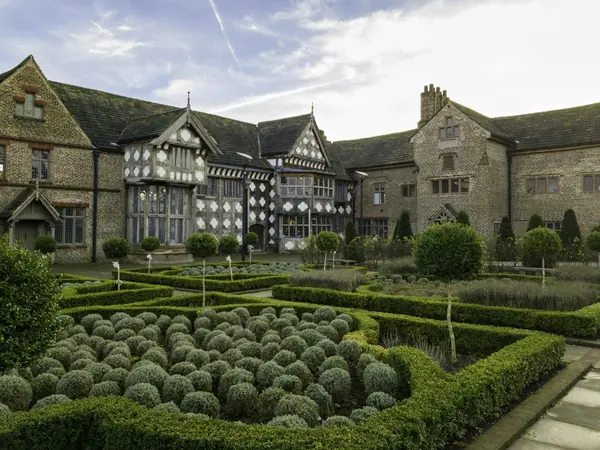
A Grade I listed Tudor manor house in Ordsall, first recorded in 1210, now a free museum with period rooms and restored formal gardens after a major restoration finished in 2011.
Learn more about Ordsall Hall on Google Maps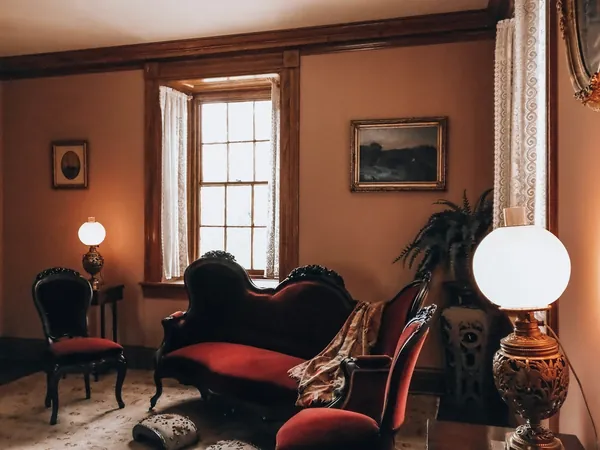
Set at the edge of Peel Park on The Crescent, this museum opened in 1850 and is best known for Lark Hill Place, a recreated Victorian street, alongside its Victorian art gallery.
Learn more about Salford Museum & Art Gallery on Google MapsWe're a new name, so you won't find a wall of reviews here yet. We'd rather show you nothing than make some up.
For a project this size, reviews were never the best evidence anyway. Ask any installer you're considering for a reference site you can visit, a year or more of generation data from a system they fitted, and the grid connection paperwork from a past job. If they can't produce those, keep looking.
A few months of inverter or meter data and a note of your site's access rules are enough for us to say whether the array looks healthy and when a visit would fit.